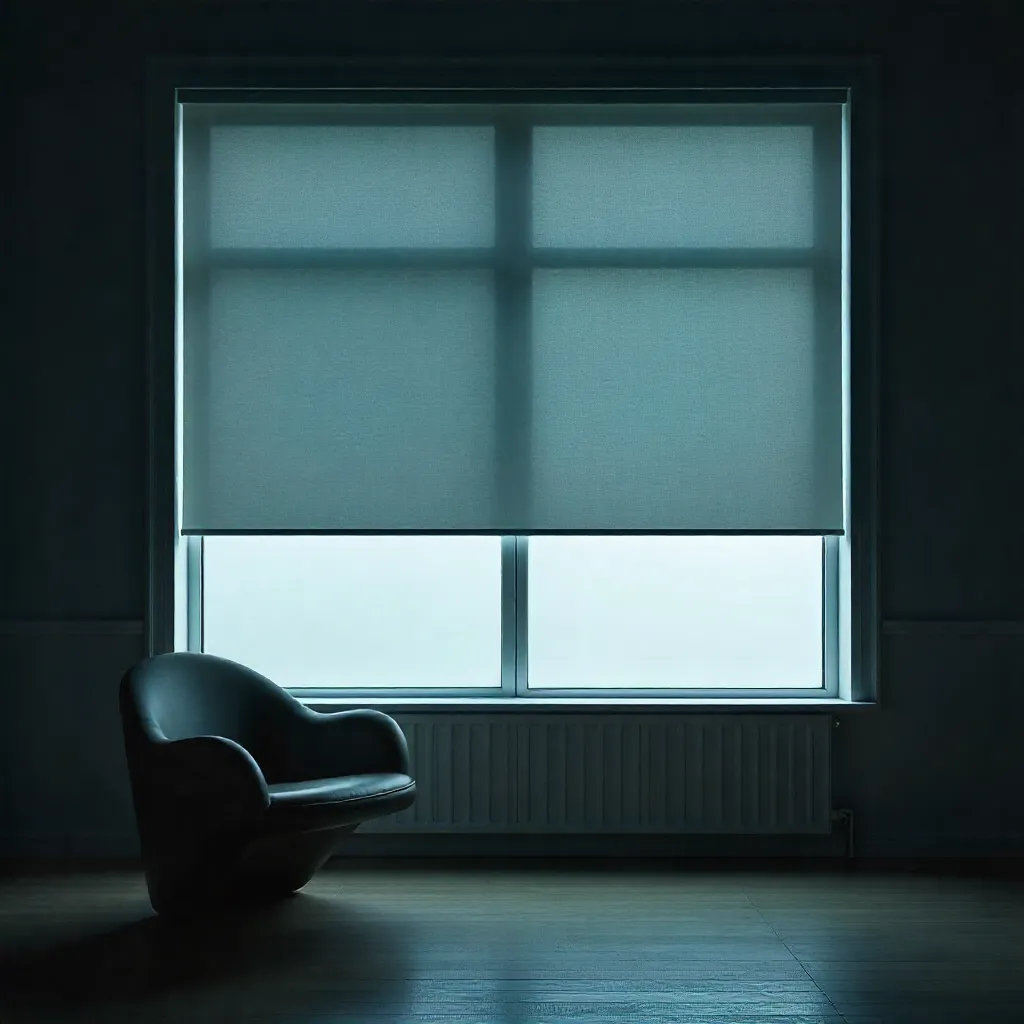
Customize Your Quiet Space
Find the perfect acoustic solution for your unique environment
Room Quietness Configurator
Step 1: Select Your Room Type
Bedroom
Apartment bedroom or master suite
Nursery
Children's room or baby nursery
Home Office
Workspace or studio
Living Room
Main living or family space
Step 2: Wall Materials
Drywall
Standard interior walls
Concrete/Brick
Solid masonry construction
Wood Panel
Wooden or paneled walls
Step 3: Outside Noise Level
Low
Quiet neighborhood, minimal traffic
Moderate
Some traffic, occasional sounds
High
Busy street, constant noise
Step 4: Window Size
Small
Standard window (up to 3x4 ft)
Medium
Large window (4x6 ft)
Large
Patio door or floor-to-ceiling
Step 5: Preferred Fabric Style
Minimal
Clean, simple textures
Textured
Rich, woven patterns
Natural
Organic, sustainable materials
Complementary Acoustic Elements
While acoustic blinds provide excellent noise reduction, combining them with additional elements can further enhance your quiet space:
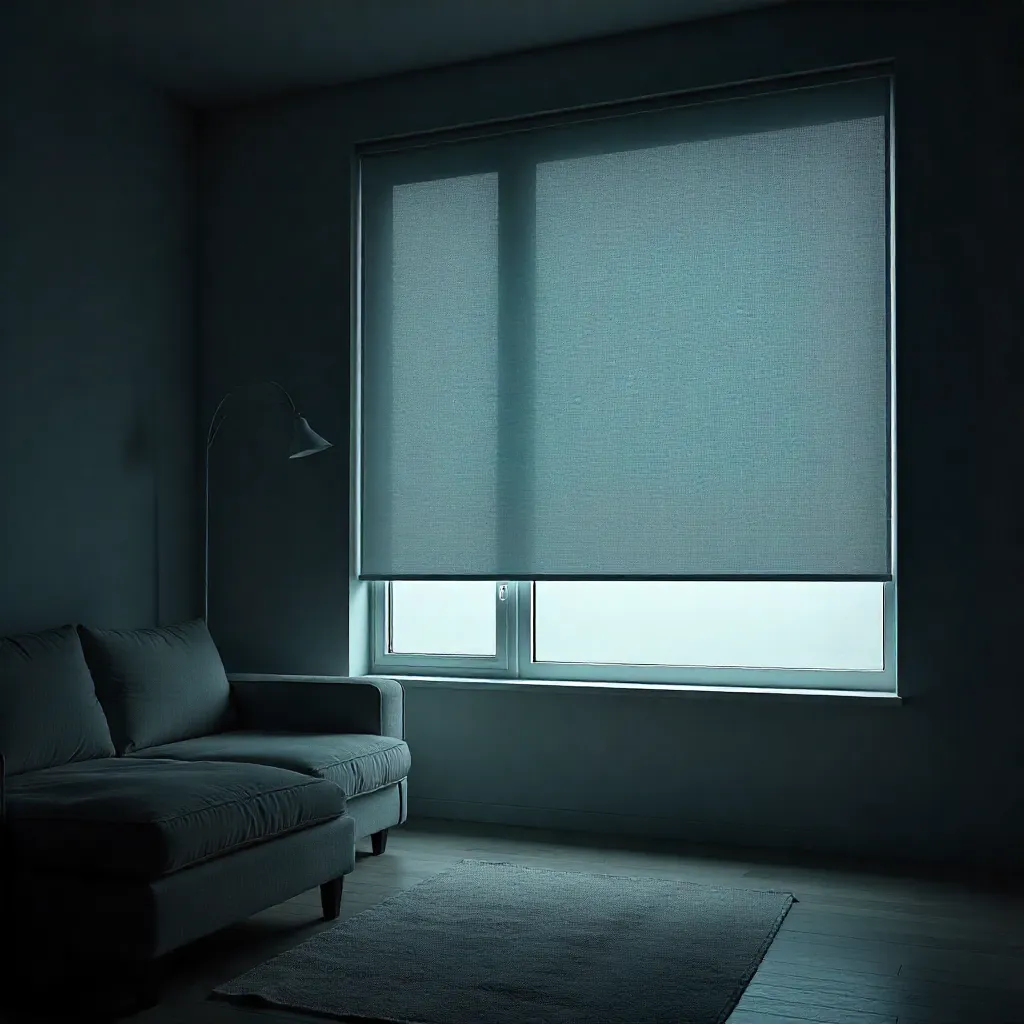
Area Rugs
Thick, dense rugs reduce floor reflections and absorb mid-frequency sounds, complementing window treatments.
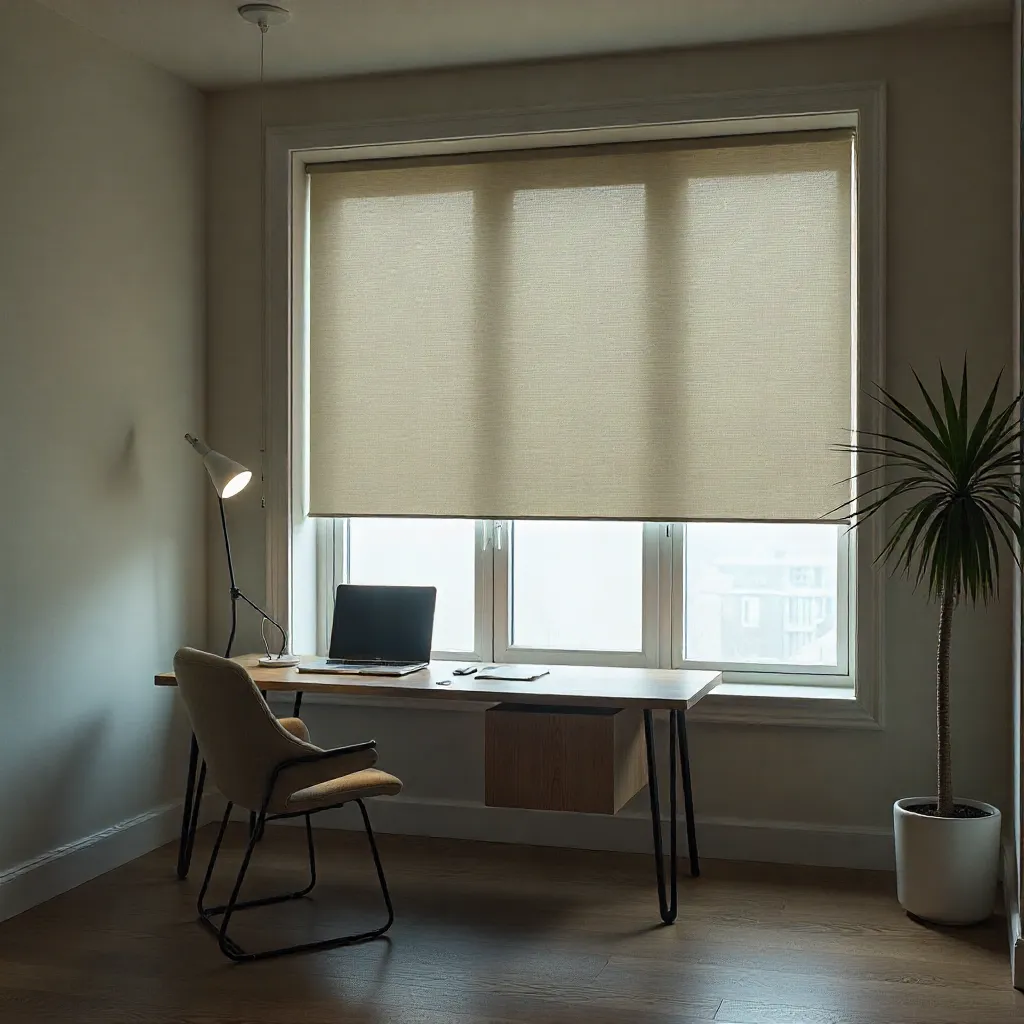
Wall Panels
Strategic placement of acoustic panels on walls enhances overall sound absorption throughout the room.
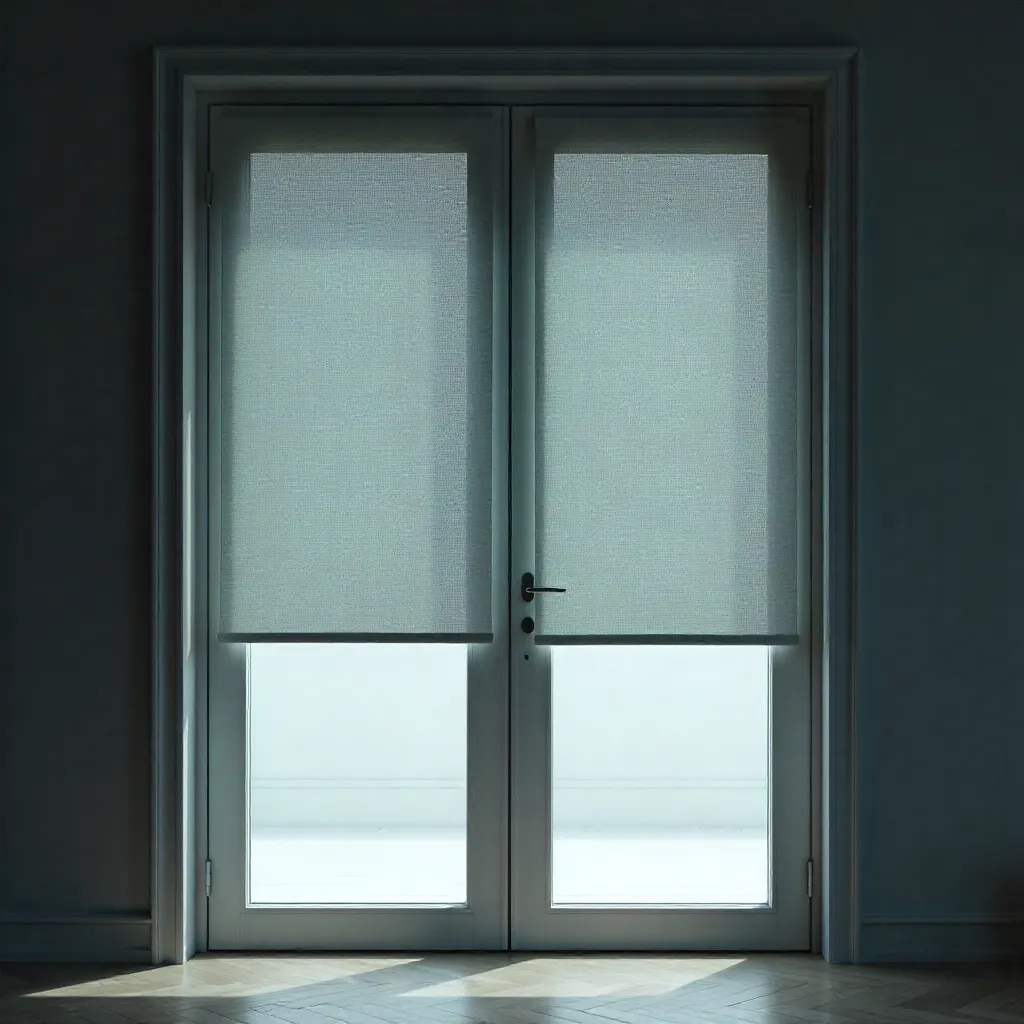
Layered Curtains
Adding curtains over acoustic blinds creates an additional sound barrier and enhances visual appeal.