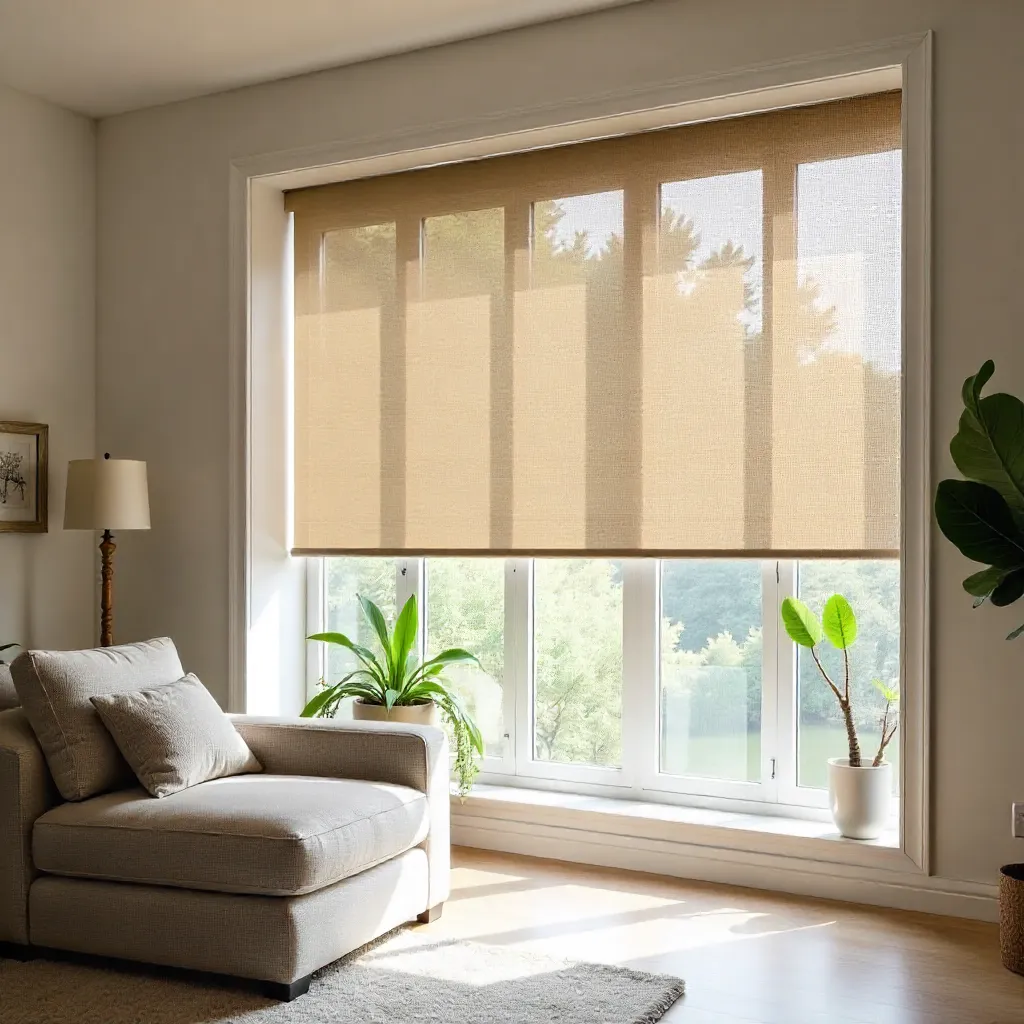
The Science of Silence
Understanding how acoustic blinds transform noise into tranquility
How Acoustic Blinds Dampen Noise
Acoustic blinds work through a combination of material density, layered construction, and strategic design. When sound waves encounter these specialized materials, they are absorbed, reflected, and converted into minimal thermal energy rather than bouncing back into your space.
The key lies in the multi-layered approach. Each layer serves a specific purpose: the outer layer reflects initial sound waves, the middle layers trap and absorb mid-frequency sounds, and the inner layers handle low-frequency vibrations that can penetrate standard window treatments.
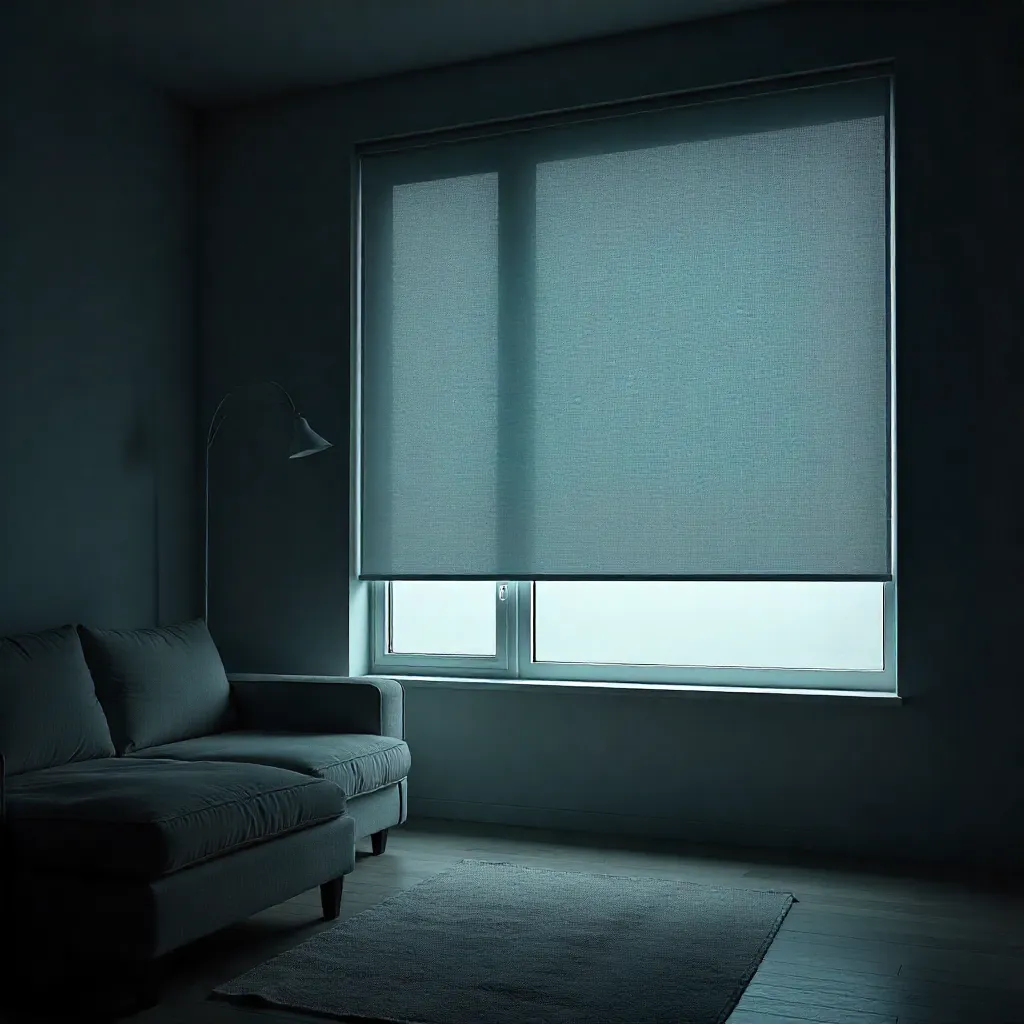
Layered Material Construction
Multiple layers work together to create a barrier that effectively reduces sound transmission through windows, which are typically the weakest acoustic point in any room.
NRC and Decibel Reduction Made Simple
NRC (Noise Reduction Coefficient) measures how well a material absorbs sound. It's rated from 0 to 1, where 0 means no absorption and 1 means complete absorption. Our premium acoustic blinds achieve NRC ratings between 0.6 and 0.85, meaning they absorb 60-85% of sound energy that reaches them.
Decibel Reduction tells you how much quieter your space becomes. A reduction of 10 dB makes a space sound approximately half as loud. Our acoustic blinds typically provide 15-30 dB reduction, transforming noisy environments into peaceful sanctuaries.
Low Noise (40-50 dB)
Reduction: 15-20 dB
Result: Near-silent environment
Moderate Noise (50-60 dB)
Reduction: 20-25 dB
Result: Comfortable quiet space
High Noise (60+ dB)
Reduction: 25-30 dB
Result: Significant noise control
Layered Materials for Sound Absorption
Our acoustic blinds utilize a sophisticated layering system that maximizes sound absorption across all frequencies:
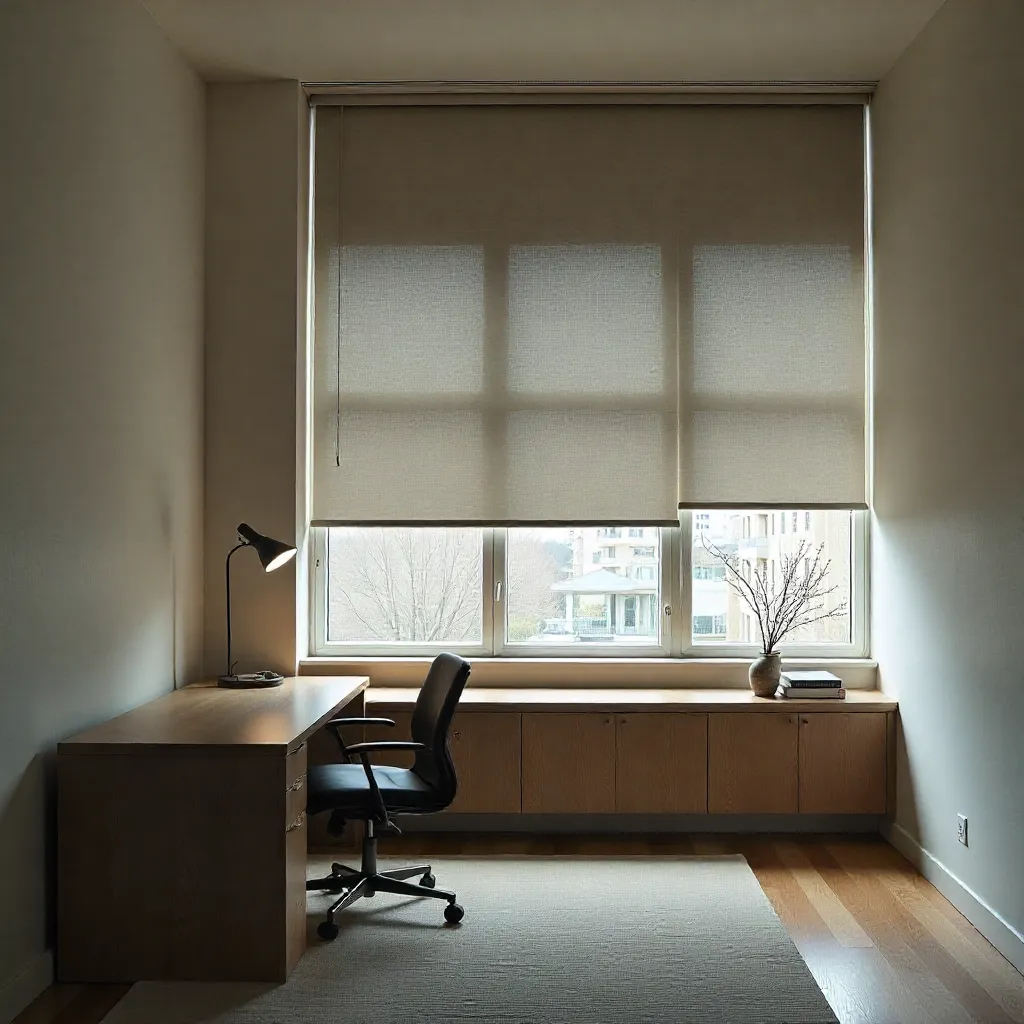
Outer Layer: Dense Woven Fabric
High-density woven materials create the first line of defense, reflecting and dispersing incoming sound waves before they penetrate deeper.

Middle Layers: Felt & Fiber Blend
Specialized felt and fiber blends trap sound waves, converting acoustic energy into minimal heat through friction within the material structure.

Inner Layer: Acoustic Foam Backing
Closed-cell acoustic foam provides additional low-frequency absorption and creates a complete sound barrier system.
Home Noise Mapping
Understanding where noise enters your home is crucial for effective acoustic treatment. Windows typically account for 70-80% of external noise penetration, making them the primary target for acoustic improvement.

Identifying Noise Sources
Common noise sources include traffic, construction, neighbors, and environmental sounds. Acoustic blinds address these at the point of entry, preventing noise from spreading throughout your home.
By treating windows with acoustic blinds, you create a barrier that prevents sound waves from entering your living space, resulting in a quieter, more peaceful environment throughout your entire home.
Best Blind Types for Different Spaces
Bedrooms
Multilayered blackout acoustic blinds combine complete light blocking with superior sound absorption. Ideal for restful sleep in urban environments.
Home Offices & Studios
Professional-grade acoustic blinds with NRC 0.7+ ratings. Perfect for video calls, recording, and maintaining focus in busy environments.

Living Rooms
Elegant acoustic blinds that maintain natural light while reducing noise. Perfect for creating comfortable spaces for conversation and relaxation.
Nurseries & Children's Rooms
For nurseries, we recommend maximum-thickness acoustic blinds with complete blackout capabilities. These provide both sound isolation and light control, essential for creating peaceful sleep environments for children.
Find Your Perfect Acoustic Solution
Use our configurator to determine the ideal acoustic blinds for your specific space and noise requirements.
Try the Configurator Explore Materials